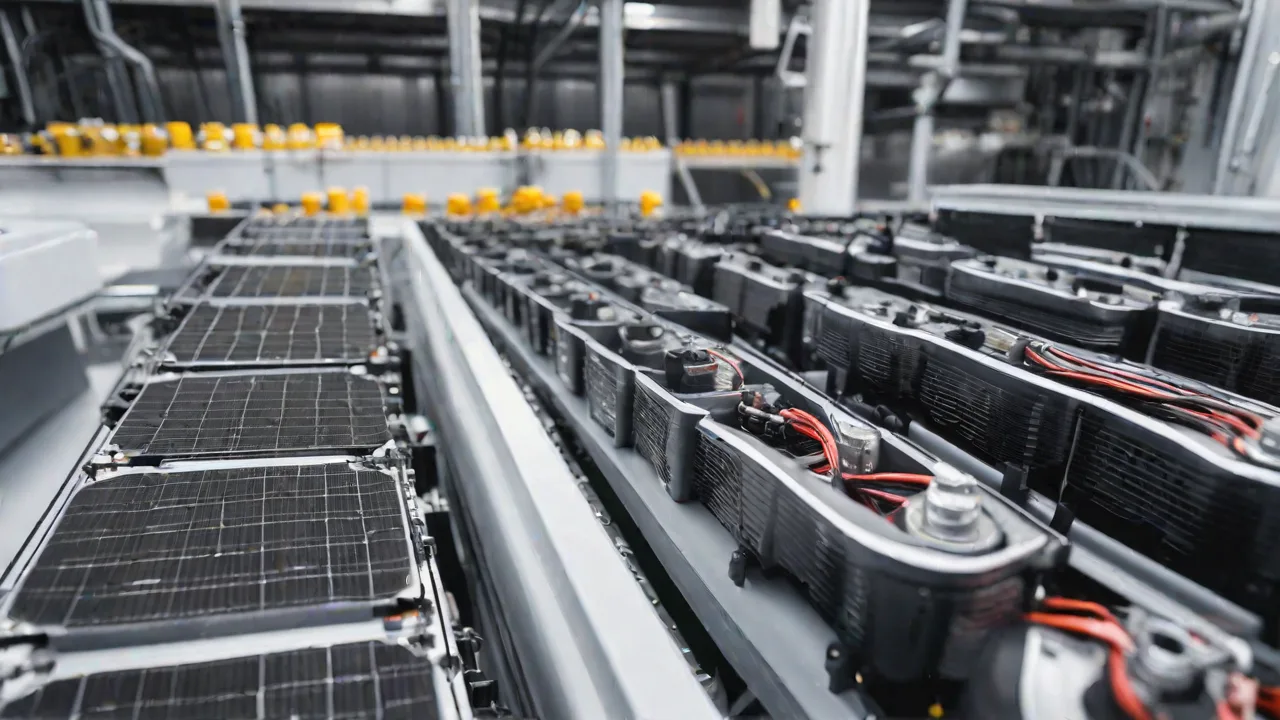
The Role of Battery Cooling Systems in Preventing Premature Replacement
Battery cooling systems play a crucial role in extending the lifespan of batteries used in electric vehicles and other high-performance devices. As batteries operate, they generate heat, which can accelerate degradation and lead to premature replacement if not properly managed.
Understanding Battery Heat Generation
During charging and discharging cycles, chemical reactions within the battery produce heat. Excessive heat can cause the battery’s internal components to deteriorate faster, reducing overall efficiency and safety.
The Function of Cooling Systems
Cooling systems regulate the temperature of batteries, ensuring they operate within optimal temperature ranges. There are several types of cooling methods:
- Air cooling: Uses airflow to dissipate heat, suitable for smaller batteries.
- Liquid cooling: Employs coolant fluids to absorb and transfer heat away from the battery cells.
- Phase change materials: Utilize materials that absorb heat during phase transitions, maintaining stable temperatures.
Benefits of Effective Cooling
Implementing efficient cooling systems offers several advantages:
- Prolonged battery life: Reduced thermal stress slows down chemical degradation.
- Enhanced safety: Lower risk of overheating and thermal runaway incidents.
- Consistent performance: Maintains optimal power output over time.
Impact on Replacement Cycles
Effective cooling systems significantly delay the need for battery replacement. By managing heat, batteries retain their capacity longer, reducing costs for manufacturers and consumers alike. This is especially important as the demand for electric vehicles continues to grow.
Conclusion
Battery cooling systems are vital for maintaining battery health, safety, and performance. Investing in advanced cooling technologies can lead to longer-lasting batteries and more sustainable energy solutions in the future.